

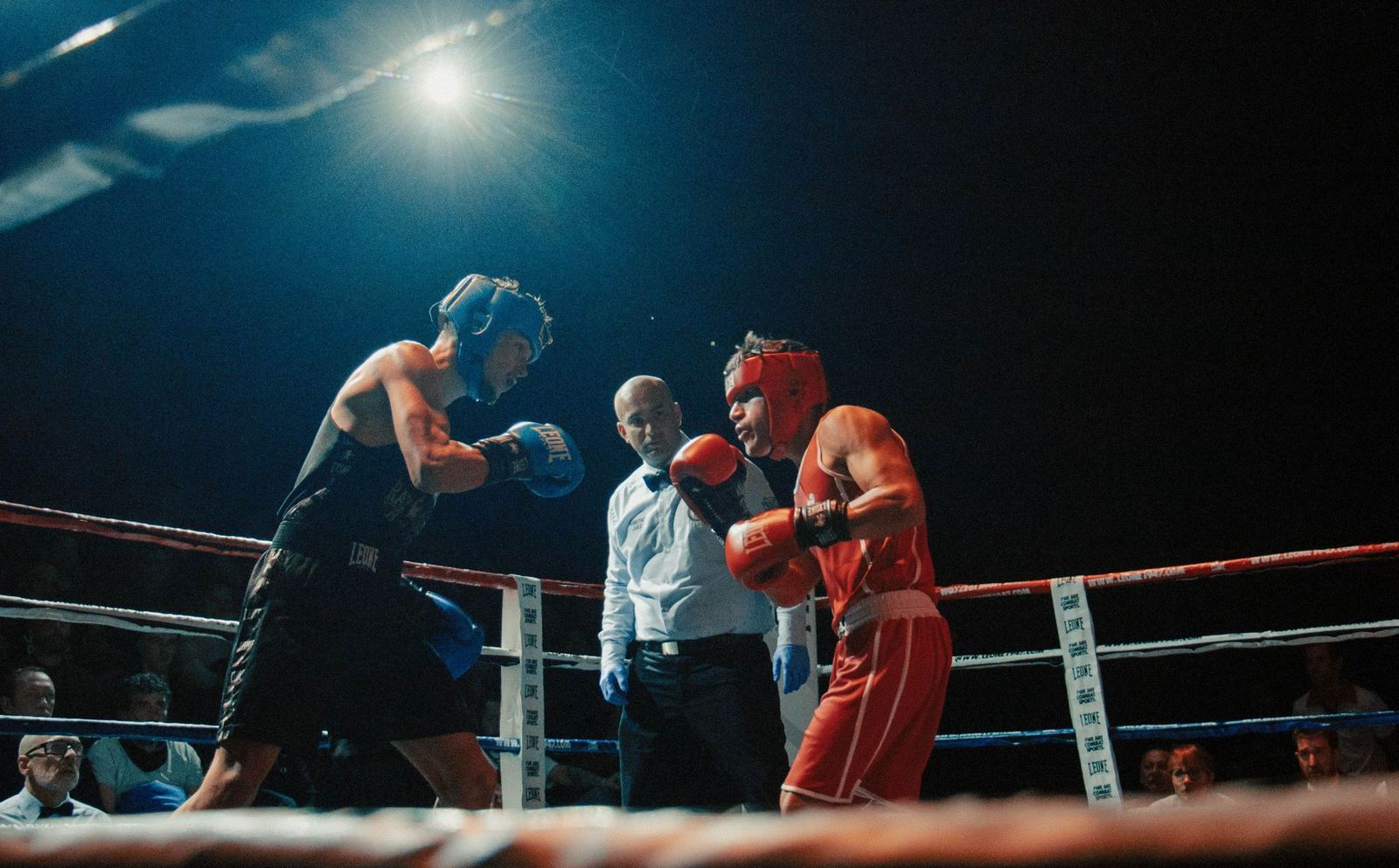
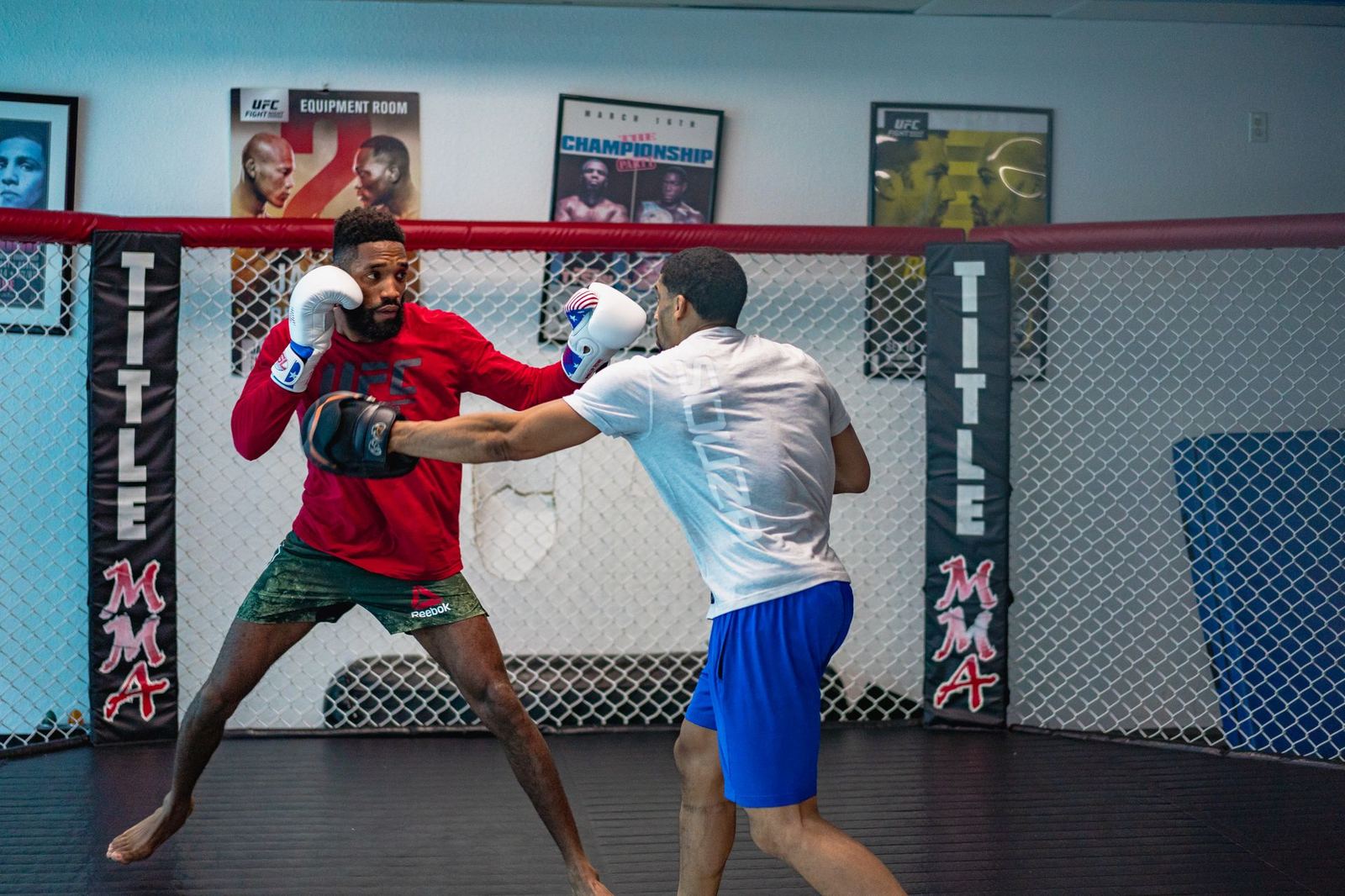
Foundation disciplines, sparring, conditioning, equipment and health checks: a realistic MMA starter list.
MMA has become popular quickly in recent years, but there are important points you should know before your first session. Use these seven items to keep your expectations realistic and make a safe start.
1. MMA is not a single sport but a system
It combines boxing, kickboxing, wrestling and BJJ. So "learning MMA" means gaining competence in four separate areas. That is why building a boxing and BJJ foundation in the first six months is the right way.
2. Do not expect sparring in the first six months
Sparring without a solid base only increases injury risk. In our academy beginners do non-contact technique for the first 4–8 weeks; sparring is done with level and weight matching, under coach supervision and with protective equipment.
3. Conditioning comes before technique
MMA is a high-tempo sport. Even a three-minute round is very tiring. Raise your endurance with 2–3 days of conditioning work a week (interval running, bag rounds, rope skipping).
4. Choose your equipment correctly
- 4–6 oz MMA gloves (8–10 oz boxing gloves may also be needed for sparring)
- A mouthguard (mouldable) and groin guard
- Shin guards, wraps and a rashguard for BJJ
5. Get a health check
Before starting get a medical report from a sports physician. If you have previously had a head trauma, lumbar or cervical disc problem, shoulder dislocation or heart problem, tell the coach.
6. Leave the ego outside the door
Everyone on the mat, however experienced, gets beaten one day. Tapping is not shameful but wise. Not harming your partner is the most important rule.
7. Progress slowly and regularly
Three sessions a week are enough for progress. Training every day in the first year leads to overload and loss of motivation. Take rest days seriously and do not neglect sleep and nutrition.
In the free trial session you can try the MMA Foundations or BJJ Beginner class. This article is general information; consult a physician and the coach about health problems.
A sample week
Monday: boxing technique + conditioning; Tuesday: BJJ foundations; Wednesday: MMA Foundations; Thursday: rest or light mobility; Friday: kickboxing technique; Saturday: open mat and stretching. This distribution develops striking and ground fighting in balance and leaves room for recovery two days a week. Adapt the programme to your own goal with your coach.
Related Posts
Boxing, Kickboxing, MMA or BJJ? Which Combat Sport Should You Start With?
The differences between four combat sports, their injury risks and a guide to choosing by goal.
Read More